By Alex Morgan, Senior AI Tools Analyst
Last updated: May 26, 2026
Revolutionizing Language Tech: WinLens Translates Your Entire Screen Instantly
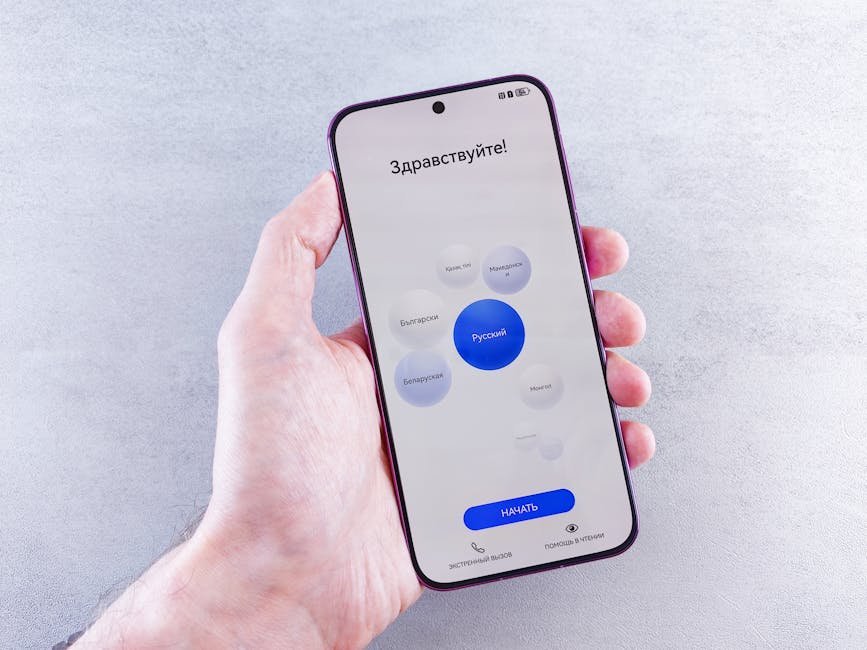
Imagine being in a meeting where every participant is using a different language, yet everyone understands everything instantly. This isn’t science fiction; it’s the reality that WinLens, an open-source translation tool, is creating. By offering real-time translation of on-screen content into over 100 languages, WinLens not only democratizes access to information but also challenges behemoths like Google, which dominates 60% of the mobile translation market with its Google Lens.
WinLens’ approach highlights a shift in how we interact with foreign languages, enabling users to engage with content seamless and without barriers. As globalization accelerates, the demand for efficient translation technologies has never been more pressing. This trend reveals a significant opportunity for founders to rethink how they build products in the accessibility and language technology space, as outlined in our article on how a mini visual calendar for recurring payments could redefine budgeting.
What Is WinLens?
WinLens is an open-source tool designed to translate all on-screen content instantly, acting as a bridge for users navigating multilingual environments. It caters to anyone who interacts with diverse language content, from business professionals to educators and travelers. Think of WinLens like a universal remote for language; it instantly tunes into any foreign language content displayed on your device, eliminating the need for multiple translation applications.
How WinLens Works in Practice
The functionality of WinLens embodies various practical applications that showcase its prowess:
-
Collaborative Meetings at International Corporations
Consider a multinational company like Unilever. With teams spread across Europe and Asia, language barriers can slow productivity. Using WinLens, employees can instantly translate materials presented during meetings, ensuring everyone stays informed. According to a Reddit-based survey, around 75% of users found WinLens to be significantly more efficient than traditional methods — a massive stride toward operational efficacy, similar to the insights found in 5 surprising ways treating everyone like an opportunity changes startups. -
Educational Settings
Schools often struggle to cater to students from non-English-speaking backgrounds. For instance, institutions adopting WinLens have been able to use it to translate online resources and lectures into the native languages of their students instantaneously, fostering an inclusive atmosphere that boosts engagement significantly. You can read more on this in 5 startups that prove innovation is thriving amidst economic uncertainty. -
Travel and Tourism
Companies like Airbnb rely heavily on user-generated content that often isn’t available in every language. By integrating WinLens, hosts can engage with international guests in their native language, enhancing user experience and trust. An increase in positive reviews and bookings can directly trace back to the language accessibility WinLens provides. -
Social Media and Digital Communication
Businesses using platforms like Buffer leverage WinLens to communicate with global audiences. With real-time translation of posts and interactions, they eliminate the risk of miscommunication. Brands can tailor their messaging according to cultural nuances, significantly improving customer engagement, much like the strategies discussed in 5 unexpected projects that defined 2023 for tech innovators.
Top Tools and Solutions
To get the most out of your marketing and engagement strategies, consider these tools:
- Kit — An email marketing platform for creators and entrepreneurs, perfect for managing communications and audience engagement projects.
- Morphy Mail — Powerful cold email delivery platform for sending to cold or purchased lists without spam filters.
- Trainual — Business playbook and employee training platform.
- Marketing Blocks — AI-powered marketing content creation platform.
- HighLevel — All-in-one sales funnel, CRM, and automation platform for agencies and entrepreneurs.
- Marketing Boost — Done-for-you vacation incentives and marketing tools to boost sales conversions and customer loyalty.
Common Mistakes and What to Avoid
While implementing translation technology like WinLens can drastically improve accessibility, here are a few pitfalls your startup should avoid:
-
Underestimating User Experience
Companies like Microsoft faced backlash for native translation solutions that were cumbersome. Poor user interfaces can drive users away; integrating intuitive interfaces like WinLens is essential for high adoption rates. -
Neglecting Data Security
Platforms that fail to prioritize user data security can jeopardize trust—an important lesson seen in early social media startups. WinLens, with its open-source foundation, provides transparency, fostering trust among users. -
Ignoring Feedback Loops
When Duolingo launched its early AI-driven features, it struggled by not incorporating real user feedback into product development, resulting in less effective tools. Continuous feedback is critical; WinLens is refined through community input on GitHub.
Where This Is Heading
The trajectory for language technology suggests rapid advancements and a growing emphasis on accessibility. Analysts at Gartner predict that by 2025, over 30% of real-time communication will utilize augmented translation technologies such as WinLens, enhancing the way individuals connect across global platforms.
Moreover, as businesses recognize the indispensable nature of user-centered tools, expect to see a surge in investment toward open-source technologies. This will ultimately reshape not just the translation industry but also inspire a new wave of innovation among startups.
The next 12 months will be crucial. Founders should keep a watchful eye on the evolving capabilities of platforms like WinLens, as they indicate where user expectations and industry standards are headed. Embracing these tools and strategies may provide a competitive edge in increasingly diverse markets.
FAQ
Q: What is open-source translation technology?
A: Open-source translation technology refers to software frameworks that allow users to access and modify the source code, promoting collaboration and innovation. This model often leads to quicker iterations and improvements than proprietary solutions.
Q: How can I use WinLens?
A: To use WinLens, simply download the software and configure it to translate content displayed on your screen in real time. Follow installation guidelines available on the official WinLens website for optimal setup.
Q: How does WinLens compare to Google Lens?
A: WinLens offers real-time translation of content across multiple languages simultaneously, while Google Lens is primarily focused on translating through a camera interface. WinLens provides broader accessibility for text on screens versus images.
Q: What is the cost of using WinLens?
A: WinLens is an open-source tool, meaning it is free to download and use. However, users may incur costs related to potential supporting software or hardware necessary for optimal performance.
Q: What advanced implementation techniques exist for WinLens?
A: For advanced users, integrating WinLens with API access allows for automated translations within proprietary software platforms. This capability can enhance operational workflows significantly.
Q: What common mistakes should I avoid when using WinLens?
A: A common mistake is neglecting user feedback when implementing WinLens in your organization. Failing to consider user experience can reduce the effectiveness and adoption of the tool.
Q: What are the future trends in translation technology?
A: Future trends indicate a shift toward increasingly sophisticated real-time translation tools capable of integrating seamlessly into everyday communication channels. The growth of AI and machine learning will likely enhance these capabilities.
Q: What is the best tool for learning more about open-source projects?
A: GitHub is one of the best resources for exploring open-source projects, offering insights into the development community and allowing users to collaborate on projects like WinLens.
Recommended Tools
- Morphy Mail — Powerful cold email delivery platform for sending to cold or purchased lists without spam filters.
- Trainual — Business playbook and employee training platform
- Marketing Blocks — AI-powered marketing content creation platform
- HighLevel — All-in-one sales funnel, CRM, and automation platform for agencies and entrepreneurs.
- Kit — Email marketing platform for creators and entrepreneurs
- Marketing Boost — Done-for-you vacation incentives and marketing tools to boost sales conversions and customer loyalty