By Alex Morgan, Senior AI Tools Analyst
Last updated: July 13, 2026
84% of Managers Say Coding Will Be Essential by 2026: Are You Prepared?
Picture this: by 2026, a massive 84% of managers believe that coding skills will be a core competency for even non-tech roles. Surprised? You shouldn’t be. In an era where AI and automation seem to be doing everything for us, the process and logic behind these tools become critical. While the prevailing belief is that low-code platforms might diminish the need for coding proficiency, the truth couldn’t be more opposite. Those who understand the intricacies of code will not just keep up; they’ll take the reins.
Before diving further, here’s a crucial point to ponder—knowing how to code empowers you to step into the driver’s seat of your career, especially in a rapidly tech-evolving landscape. Low-code and no-code platforms don’t eliminate the need for coding knowledge; they merely change the skill’s application. So, let’s explore why mastering coding will remain indispensable.
What Is Coding in the 2026 Landscape?
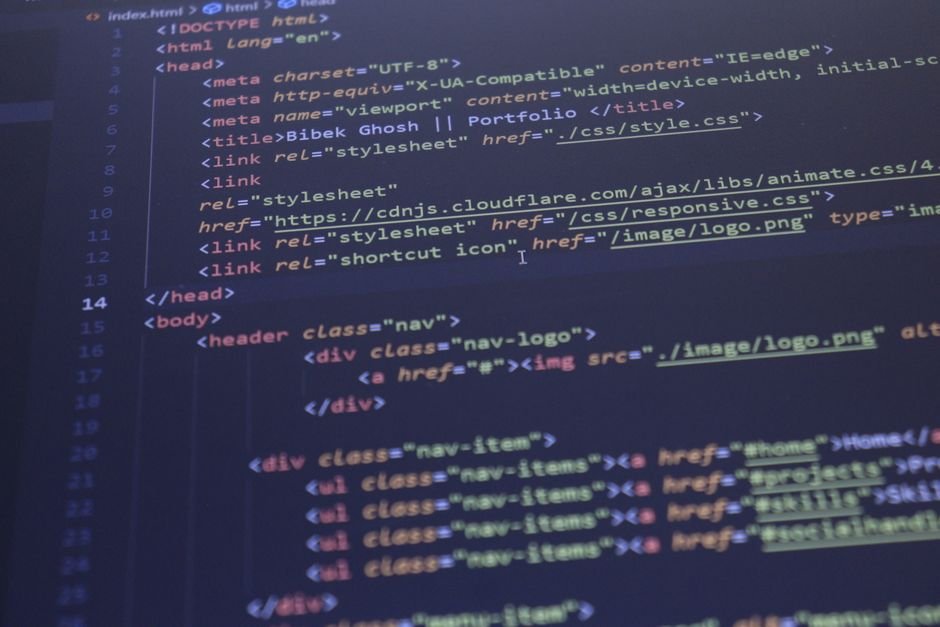
Coding refers to the process of using a programming language to get a computer to behave how you want it to. It’s for anyone looking to future-proof their career as digital transformation accelerates. Think of coding like understanding a language; it enables you to communicate with your device and dictate what it should do—much like instructing an employee but without the follow-up emails.
How Coding Skills Work in Practice
Here’s where it gets real. Companies across sectors aren’t just asking for coding know-how; they’re building it into their success strategies.
-
Amazon’s Complex Systems: Amazon continually refines its algorithms to optimize logistics and delivery systems. The company employs skilled coders to innovate functionalities, enhancing customer experience and operational efficiency. In 2026, expect these roles to increasingly blend coding with AI capabilities.
-
Google’s AI Expansion: Google’s AI development relies heavily on programmers who can innovate and maintain these complex systems. According to a report from MarketsandMarkets, Google’s AI market is projected to grow significantly, demanding more sophisticated programming expertise to manage this growth.
-
Microsoft’s Power Platform: The significant uptick in the Power Platform usage is linked to users who understand basic coding. This isn’t just about using the platform; it’s about leveraging its full capabilities by customizing apps and automation to fit specific needs, which only coding skills can fulfill effectively.
-
Startups and AI Integration: A Stack Overflow survey found that 80% of engineers anticipate incorporating AI into their roles within three years. Startups working on AI projects need employees who understand both traditional coding and machine learning technologies. Those dual-skilled employees will double up as creators and innovators.
Top Tools and Solutions
Constant Contact — Email marketing and automation platform, ideal for businesses looking to enhance their outreach.
Kartra — All-in-one online business platform that simplifies building and managing online businesses.
Kinetic Staff — AI-powered staffing and recruitment platform designed for companies looking to optimize their hiring processes.
BlackboxAI — AI coding assistant and developer tool that helps streamline the programming process.
Nutshell CRM — Simple and powerful CRM for sales teams to improve sales processes.
Capsule CRM — Simple CRM for small businesses, perfect for managing customer relationships efficiently.
Common Mistakes and What to Avoid
As businesses ride the coding wave, here are some pitfalls to sidestep:
-
Underestimating Fundamentals: GitHub’s Copilot, an AI-based coding assistant, stunned many by automating code writing. But companies that sidelined foundational coding skills realized too late that comprehension of fundamental programming concepts remains indispensable. Don’t get caught in this trap—understand the basics.
-
Misusing Low-Code Platforms: Paige, a small retail tech startup, opted for a low-code platform thinking it would simplify app development. Without foundational coding skills, they found themselves stuck when templates couldn’t meet their needs. The failure to recognize the need for deeper coding understanding cost them months of development time.
-
Neglecting Continuous Learning: Tech evolves fast. Kodak’s decline isn’t just a historical relic; it’s a cautionary tale of not adapting. Successful coders and developers must keep learning new languages and technologies. What works today might be obsolete in a year—don’t let your skills fall behind.
Where This Is Heading
In the quest for sustainability, coding skills are a non-negotiable part of the strategy. Here are emerging trends shaping the future:
-
Growing Demand for Developers: The World Economic Forum reports a 22% projected growth for software developers by 2026. As industries digitize, this demand is set to outpace other sectors, making coding expertise a hot ticket.
-
Increased Complexity in Software Systems: Gartner suggests that 75% of large enterprises will shift from piloting to operationalizing AI by 2024. As software systems become increasingly complex, the need for skilled coders who can manage, innovate, and maintain these systems is more pressing than ever.
-
Integration of AI Skills: The shift towards AI integration isn’t slowing. Expect job roles to mesh coding with AI-centric tasks. In response, educational institutions are reshaping curriculums, with coding classes now a staple even in half of the U.S. high schools.
In the coming 12 months, founders should assess their team’s coding expertise, invest in continuous education, and integrate coding into the company culture. Not merely understanding but employing coding will distinguish thriving teams from those that falter.
FAQ
Q: What are the essential coding skills to learn for the future?
A: Core coding skills include languages such as Python, JavaScript, and SQL. These are complemented by understanding AI principles and data analytics.
Q: How can a non-tech professional begin learning coding?
A: Non-tech professionals can start by enrolling in online coding bootcamps or using platforms that offer interactive coding exercises designed for beginners.
Q: How does coding compare to low-code platforms?
A: Coding involves traditional programming, offering a deeper understanding of software development, while low-code platforms simplify the process with pre-built components but may lack the flexibility of custom solutions.
Q: What is the typical cost of learning coding?
A: The cost varies widely; online courses range from free to several thousand dollars, depending on the depth of training and credentialing sought.
Q: How can businesses implement advanced coding strategies?
A: Companies can integrate coding into their workflows by providing ongoing training, utilizing code collaboration tools, and encouraging developers to share best practices through workshops.
Q: What is a common mistake in learning coding?
A: A common mistake is attempting to skip the basics in favor of advanced topics, which can lead to confusion and hinder understanding.
Q: What are future job trends regarding coding?
A: Future job trends indicate a growing intersection between coding and AI, necessitating skills that blend software development with understanding machine learning technologies.
Q: What is the best resource for learning coding?
A: Websites like Codecademy or freeCodeCamp are excellent resources for beginners to start learning coding in a structured and supportive environment.