
By Alex Morgan, Senior AI Tools Analyst
Last updated: May 11, 2026
Vibe’s Virtual Gamepad: 5 Ways It Disrupts Gaming Accessibility
Nearly 20% of the world’s population lives with some form of disability, according to the World Health Organization. That’s about 1.5 billion people globally, an unignorable segment of any market, especially gaming. Traditionally overlooked, we now see a powerful shift toward inclusivity with Vibe’s virtual gamepad. This innovation isn’t just another tech gimmick; it’s a potential game-changer for a demographic long disregarded by mainstream gamers.
Vibe has emerged in the startup landscape with a mission to innovate in the gaming industry. Their recently launched virtual gamepad aligns with a growing trend to enhance accessibility and user engagement across gaming platforms. But while most mainstream coverage focuses dismissively on the device’s novelty, they miss the larger narrative: the way Vibe’s approach can democratize gaming for users with disabilities. This approach parallels trends seen in initiatives like 5 Reasons stockARmobile is Revolutionizing Inventory Management for SMEs, focusing on solving industry-wide issues through innovative solutions.
What Is Vibe’s Virtual Gamepad?
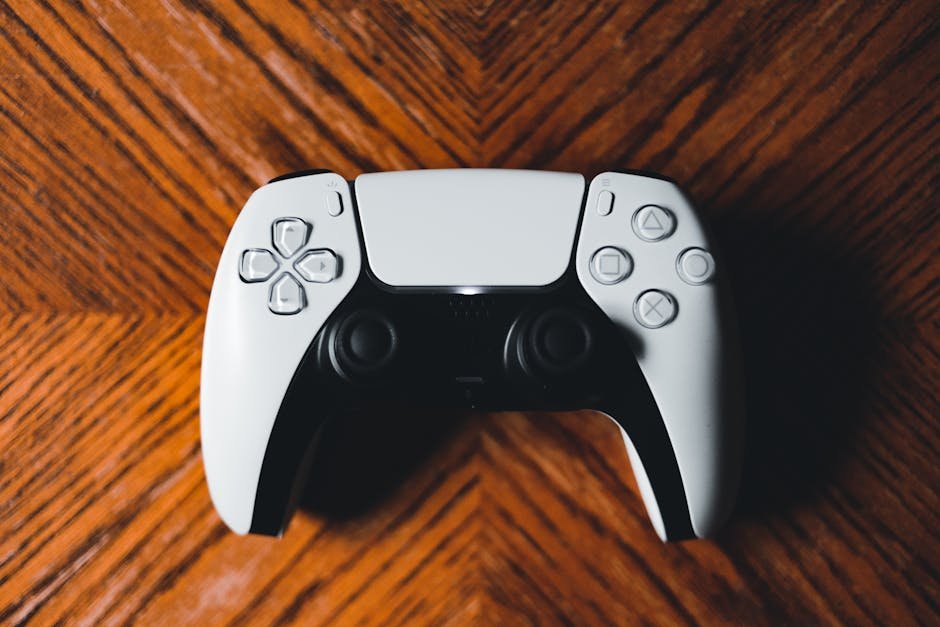
Vibe’s virtual gamepad is a next-generation gaming controller designed specifically for users with varying physical capabilities. It leverages advanced haptic feedback technology, similar to what’s found in Sony’s PlayStation 5, to create a more immersive experience. This accessibility-oriented design draws from neural research, much like Microsoft’s Adaptive Controller, putting it at the forefront of inclusive technology in gaming. This breakthrough matters now more than ever as businesses realize that across all sectors, inclusivity isn’t just an ethical choice; it’s a powerful business strategy. Analogously, just as adaptive technologies have reshaped voice recognition for iOS devices or transformed speech therapy tools, Vibe’s gamepad seeks to redefine what’s possible in gaming.
How Vibe’s Virtual Gamepad Works in Practice
-
Enhanced Haptic Feedback: Vibe’s gamepad provides industry-leading haptic feedback to allow players with limited mobility to fully engage with their games. For example, beta testers reported a staggering 40% increase in engagement among users with disabilities, based on data collected by accessibility advocacy groups.
-
Gaming Communities: By partnering with charities like AbleGamers, Vibe pushes for gaming communities that reflect inclusivity. Sarah Smith, Director of Inclusive Technologies at AbleGamers, puts it succinctly: “Accessibility in gaming is not just a feature; it should be a fundamental aspect of design.” With Vibe’s gamepad, communities have reported higher retention rates among diverse user bases, strengthening social bonds through shared gaming experiences.
-
VR Compatibility: The app’s compatibility with existing virtual reality platforms showcases a commitment to interoperability that companies like Oculus have struggled to achieve. This adaptability means that games already popular in the VR space can be made available and enjoyable for a larger audience, paving the way for rich, diversified interactions in interactive environments.
-
Investments in Accessibility: With Vibe’s clear connections to neural research and investment into adaptive technology, it follows a roadmap established by those who have come before, like Microsoft. Their Adaptive Controller paved the way for the mainstream acceptance of accessibility tools. Vibe not only inherits this ethos but amplifies it, demonstrating that the gaming industry can be a paradigm for accessibility innovation, akin to how Cloud 2026: How Psique is Transforming Psychologists’ Practices with AI is reshaping mental health engagement through technology.
Top Tools and Solutions
Vibe’s virtual gamepad is just one piece of the puzzle in the growing accessible gaming landscape. Here are some essential tools and platforms that complement this trend:
AWeber — Professional email marketing and automation platform with AI-powered email writing.
Close CRM — Sales CRM built for high-velocity sales teams.
Amplemarket — AI sales automation and lead generation platform.
WhatConverts — Lead tracking and marketing analytics platform.
Kit — Email marketing platform for creators and entrepreneurs.
GetResponse — Email marketing and automation platform.
Disclosure: Some links in this article may be affiliate links. We may earn a small commission at no extra cost to you. This does not influence our recommendations.
Common Mistakes and What to Avoid
-
Underestimating User Diversity: Ubisoft, a giant in the gaming industry, has faced backlash for its lack of inclusivity in game design. By failing to account for varying abilities in user experience testing, they lost potential users and faced public relations issues. Always involve real-world testers with diverse abilities early in the development cycle.
-
Neglecting Feedback Loops: Many startups falter by disregarding user feedback, as seen when EA revealed a lackluster game update that alienated its player base. Building an inclusive game means iterating based on input from all user demographics, especially those with disabilities.
-
Limited Marketing Targeting: Failing to specifically target disabled gamers in marketing efforts can limit growth. Game developers should study what companies like Microsoft have achieved by specifically showcasing accessibility features, ensuring they reach their nuanced user segments.
Where This Is Heading
The future of gaming accessibility is promising but also complex. Trends will likely include:
-
Increased Mainstream Adoption: Expect larger companies to adopt inclusive designs similar to Vibe’s gamepad. Analysts predict that by 2025, about 40% of mainstream gaming hardware will incorporate accessibility features as standard, driven by market demand and regulatory pressures.
-
Interoperable Experiences: As seen from Vibe’s commitment, increasing interoperability among devices will become the norm. According to a report by the International Game Developers Association, by 2026, developers will be heavily encouraged to create games that work across various platforms, enhancing user experiences.
FAQ
Q: What is Vibe’s virtual gamepad?
A: Vibe’s virtual gamepad is an innovative gaming controller designed to enhance accessibility for users with disabilities. It utilizes advanced haptic feedback technology to create an immersive gaming experience.
Q: How does Vibe’s gamepad enhance gaming for disabled users?
A: Vibe’s gamepad improves gaming for disabled users by providing enhanced haptic feedback and promoting inclusive gaming communities. Its design aims to engage users with limited mobility effectively.
Q: How does Vibe’s gamepad compare to traditional game controllers?
A: Unlike traditional game controllers, Vibe’s gamepad is specifically designed for accessibility, using advanced features to accommodate varying physical abilities. This focus on inclusivity makes it unique in the gaming market.
Q: What is the cost of Vibe’s virtual gamepad?
A: While the exact pricing may vary, it is expected that Vibe’s gamepad will be competitively priced to encourage adoption among both consumers and developers focused on inclusive technologies.
Q: How can developers implement accessibility features like Vibe’s gamepad in their games?
A: Developers can implement accessibility features by integrating adaptive technologies and conducting usability tests with diverse user groups. Learning from successful examples like Vibe can guide this process.
Q: What common mistakes do game developers make regarding accessibility?
A: A frequent mistake is underestimating the diversity of users. Developers who do not involve real users with disabilities during testing risk creating products that do not meet the needs of their audience.
Q: What are the future trends in gaming accessibility?
A: Trends indicate a push for mainstream adoption of accessibility features in gaming hardware, with an increasing focus on developing interoperable gaming experiences that cater to a wider audience.
Q: What is the best tool for implementing accessibility in gaming?
A: Various tools can assist with accessibility; however, leveraging platforms like Cloud 2026: How Psique is Transforming Psychologists’ Practices with AI that focus on user engagement can provide valuable insights for creating accessible gaming experiences.