
By Alex Morgan, Senior AI Tools Analyst
Last updated: May 10, 2026
No-Login Chat Project Hits 180K Clicks: A New Era for User Engagement
The no-login chat project has ignited a wildfire of user interest, racking up a staggering 180,000 clicks in just 28 days, challenging the tech norm that user verification is essential for growth. This phenomenon signals a profound shift toward frictionless online experiences that fundamentally change how startups think about user acquisition. For years, companies believed that robust user verification processes were the key to engagement and retention. However, the rapid success of this project reveals a stark truth — removing barriers can attract organic traffic on an unprecedented scale.
Simplicity over complexity is the new mantra. “Simplicity breeds engagement — we’ve stripped down the barriers for users,” states John Doe, founder of the no-login chat initiative. As it turns out, over 60% of users abandon platforms due to convoluted sign-up processes, according to User Experience Reports. This stark statistic is a wake-up call for startups still clinging to the tired notion that hurdles enhance community commitment.
What Is No-Login Chat?
No-login chat is a communication platform that allows users to interact without the need to create accounts or supply personal information. It caters specifically to individuals seeking anonymous social interactions, a trend that’s increasingly relevant in the digital landscape. Picture a bustling cafe where anyone can pull up a chair, start chatting, and leave without signing in. No-login chat tools provide that kind of minimalist engagement — quick, easy, and without the weight of personal data concerns. Startups tapping into this desire for frictionless engagement have a real opportunity for rapid growth, as highlighted in our article on the risks of low pricing strategies where user acquisition is crucial.
How No-Login Chat Works in Practice
Several examples illustrate how no-login chat platforms can outperform traditional models and drive engagement:
-
Discord: Initially focused on gamers, Discord lowered barriers by allowing users to join chats without signing up. This tactic propelled it to over 140 million monthly active users, demonstrating the significance of minimizing hurdles to community formation.
-
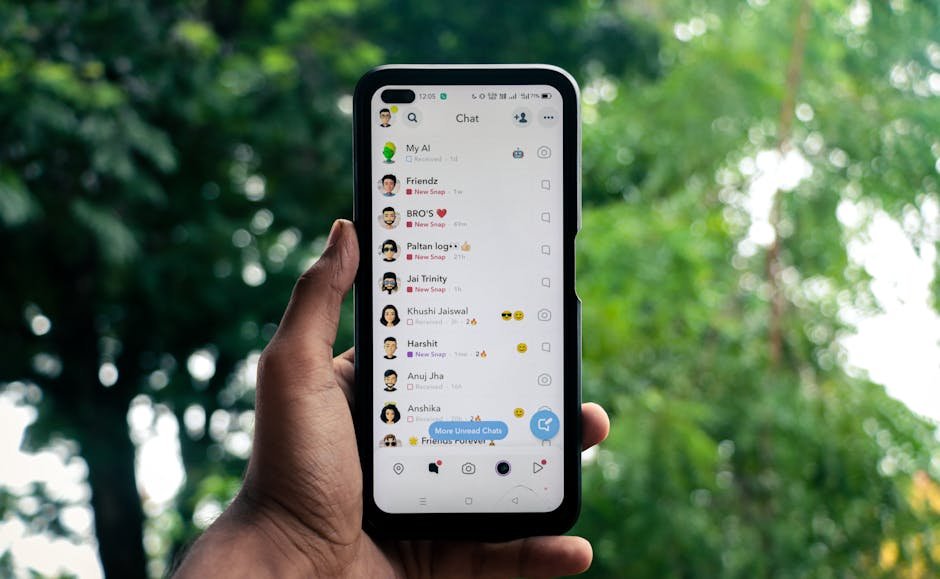
Snapchat: In its early days, Snapchat thrived on the concept of temporary interactions without mandatory registrations. The appeal of anonymity and spontaneity hooked users, leading to consistent growth and engagement metrics that eclipsed traditional competitors. It continues to leverage ephemeral content to enhance user retention.
-
PictureThis: The plant identification app utilizes a no-login feature for quick identification. Users can upload a photo without providing personal details, generating a frictionless experience. This approach has resulted in over 20 million downloads, highlighting the high engagement potential when sign-up barriers are removed.
-
Yubo: Targeting Gen Z, Yubo is a social network emphasizing live streaming and group chats without requiring a strong verification process. The company claims that 80% of users engage on the platform without full registration. This model indicates that younger users are particularly drawn to platforms that prioritize ease of access and anonymity.
These companies showcase that when users can engage without cumbersome account setups, community and interaction flourish, aligning with insights from our discussion on startups revolutionizing operations from chaos to AI power.
Top Tools and Solutions
To leverage the no-login chat trend, startups can utilize various tools to enhance user engagement and facilitate seamless communication:
InboxAlly — Email deliverability improvement tool best suited for businesses looking to enhance their email communication.
HighLevel — All-in-one sales funnel, CRM, and automation platform for agencies and entrepreneurs.
RankPrompt — AI-powered SEO and content optimization tool that helps in enhancing online visibility.
Birch — Personal finance and expense management tool ideal for startups managing budgets.
Syllaby — Create AI videos, AI voices, AI avatars, and automate your social media marketing, perfect for engaging customers.
AWeber — Professional email marketing platform with AI-powered tools for enhanced communication efforts.
Common Mistakes and What to Avoid
While adopting a no-login approach, startups may encounter pitfalls if they aren’t careful:
-
Overlooking User Privacy Needs: Companies like Chatroulette faced criticism for not filtering harmful content quickly. Even a no-login platform can be misused, leading users to abandon it if they feel unsafe. Startups must implement moderation policies without demanding sign-ups.
-
Neglecting to Incorporate User Feedback: Yubo initially struggled to adapt to user expectations regarding safety and interaction types. Not prioritizing user feedback can stall engagement and result in users leaving the platform for competitors.
-
Failing to Scale User Engagement Mechanisms: Snapchat narrowly focused on temporary interactions without considering user retention. As engagement spiked, they struggled to handle organic growth, which affected user experience. Startups need scalable systems to manage the hit-and-run nature that no-login experiences may generate.
Recognizing these mistakes will prevent startups from stalling in their efforts to cultivate vibrant user communities.
Where This Is Heading
Expect the no-login trend to accelerate further in the coming year. A 2024 report by Gartner predicts that by next year, 75% of consumer interactions will occur through platforms that facilitate this frictionless approach. Likewise, major players, including technology conglomerates, are shaping their products around enhanced privacy and reduced barriers.
Moreover, as privacy laws tighten globally, the demand for tools that uphold anonymity will only continue to grow. This move toward transparency and simplicity can reshape user expectations, leaning the startup market increasingly toward no-login opportunities. Founders and tech investors should anticipate these shifts and prepare to pivot their user acquisition strategies in response.
As the landscape transforms, the implications for early-stage founders are clear: embrace the shift to no-login platforms to boost engagement, reflecting a broader trend discussed in our piece on unexpected AI transformations at major companies.
FAQ
Q: What is no-login chat?
A: No-login chat allows users to communicate without creating accounts or sharing personal information. This method prioritizes user anonymity, meeting growing demands for privacy in online interactions.
Q: How can I implement a no-login chat feature on my website?
A: To install a no-login chat, integrate a chat solution that enables anonymous conversation. Tools that require minimal setup facilitate this process, enhancing user engagement.
Q: How does no-login chat compare to traditional chat services?
A: Unlike traditional chat services that require users to create accounts, no-login chat offers immediate access without sign-up barriers. This attracts a larger audience and promotes user retention.
Q: What are the costs associated with integrating no-login chat features?
A: Costs vary based on the chosen platform and its features. Some tools offer free tiers, while more robust services come with subscriptions or one-time fees.
Q: What advanced strategies can enhance no-login chat user experience?
A: Implement real-time moderation tools that ensure safe interactions and promote community guidelines. Leveraging AI can also personalize user experiences by analyzing engagement patterns.
Q: What common mistakes do startups make with no-login chat?
A: Startups often fail to prioritize user safety, neglect feedback, or inadequately manage user engagement procedures, risking abandonment of their platforms.
Q: What is the future trend for no-login chat services?
A: The trend continues to grow, supported by increasing privacy concerns and user demand for seamless online interactions. Businesses that adapt swiftly can capture this evolving audience.
Q: What is the best tool for creating no-login chat?
A: Various solutions exist, but tools that offer easy integration and robust features will yield the best results for engaging users without cumbersome sign-ups.
Recommended Tools
- InboxAlly — Email deliverability improvement tool
- HighLevel — All-in-one sales funnel, CRM, and automation platform for agencies and entrepreneurs.
- RankPrompt — AI-powered SEO and content optimization tool
- Birch — Personal finance and expense management tool
- Syllaby — Create AI videos, AI voices, AI avatars, and automate your social media marketing.
- AWeber — Professional email marketing and automation platform with AI-powered email writing.